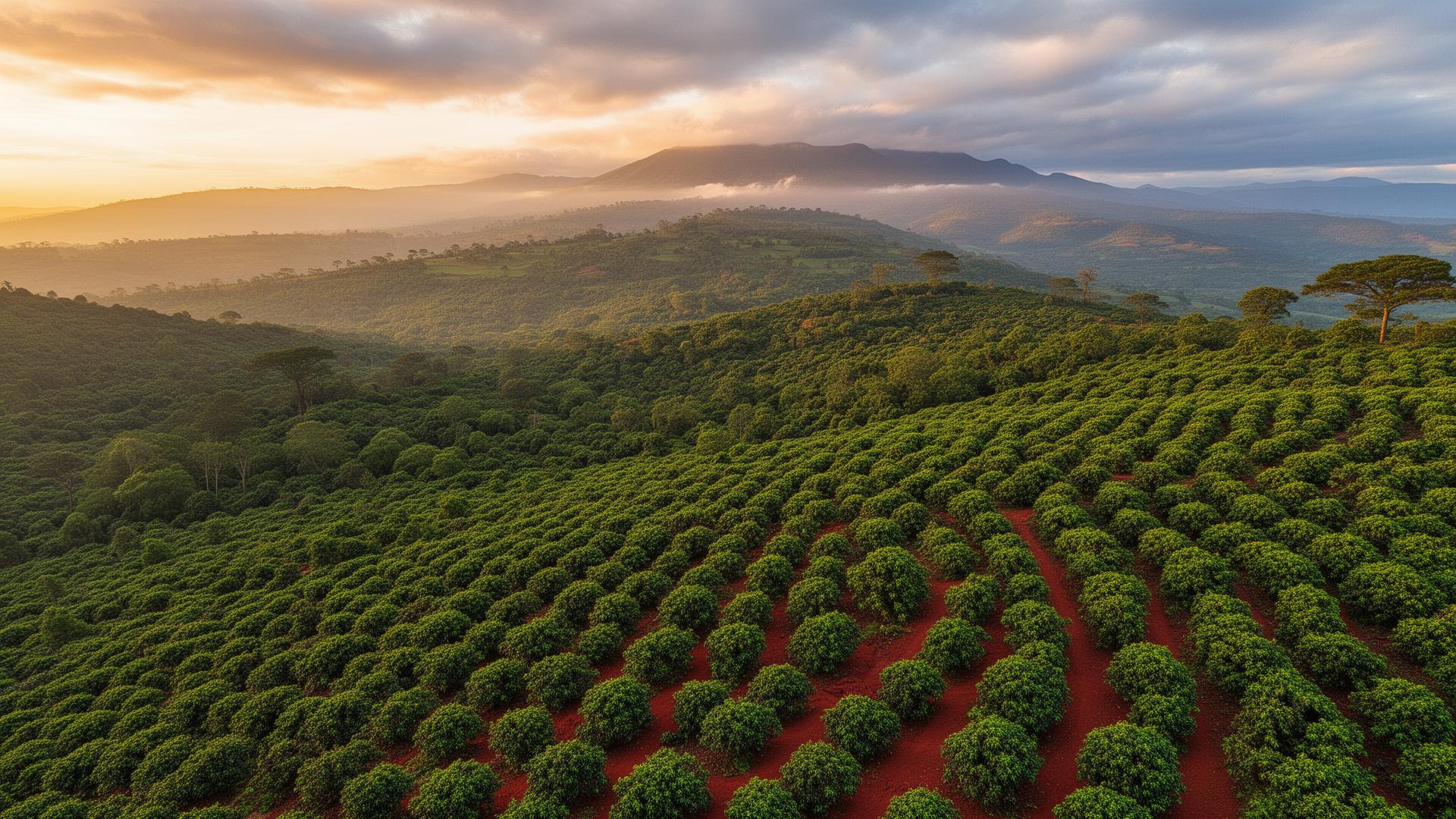
Guji Coffee Ethiopia background

Guji Coffee Ethiopia

Specialty Coffee from the Guji Highlands of Ethiopia

A specialty Arabica exporter rooted in the Guji Zone of southern Ethiopia — connecting smallholder farmers of Uraga, Hambela and Shakiso with roasters and importers worldwide. Traceable, high-altitude, cup-distinctive coffee from farm to port.

Based in Addis AbabaEst. 2023

Watch

Guji Coffee — Specialty Coffee Exporter

See the journey of Premium Ethiopian Arabica from Guji's highlands to export-ready green coffee beans — sourced by a premium arabica exporter with full traceability.

Guji coffee origin, processing, and specialty coffee export from Ethiopia's premier highland region.

Origin Story

The Geography of Guji Coffee

Guji is a high altitude arabica zone in southern Ethiopia's Oromia Region, sitting between 1,800 and 2,350 metres above sea level. The volcanic soil, highland forests, and temperate climate produce exceptional Ethiopian green coffee with complex flavour profiles. Guji arabica coffee is prized by specialty roasters worldwide for its density and sweetness.

Guji arabica coffee is a high altitude arabica grown in southern Ethiopia's Oromia Region at 1,800–2,350 meters — one of the most sought-after origins for Ethiopian green coffee among specialty roasters and importers.

Historically part of the Sidamo zone, Guji was recognised as a distinct coffee-growing origin due to its unique microclimates and the exceptional cup profiles produced by its high altitude arabica forests. Today, Guji arabica coffee commands premium prices on the specialty market.

The region is characterised by undulating hills, ancient volcanic soil, and a landscape that remains largely forested. These natural conditions create the perfect environment for cultivating specialty-grade Ethiopian green coffee beans.
Southern EthiopiaTemperate ClimateVolcanic Soil
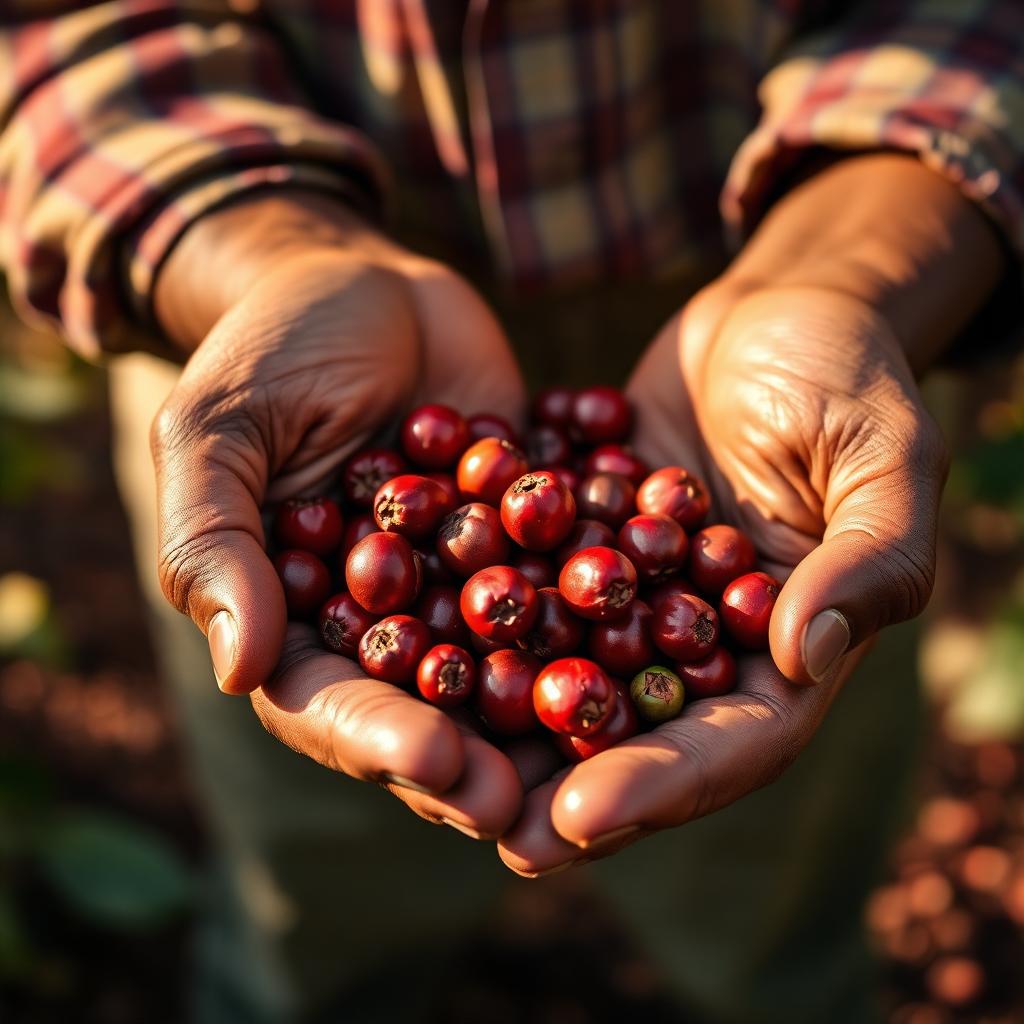
Ethiopian coffee farmer holding fresh coffee cherries

2,350m

Peak Elevation

Explore

Interactive Guji Origin Map

Discover the distinct sub-regions of Guji and their unique characteristics.

N
~50km

Click on a marker to explore each sub-region

Terroir

Distinct Sub-Regions and Terroir

Guji arabica coffee is defined by its specific woredas (districts), each offering subtle variations in soil composition, elevation, and cup character.

Guji has three primary sub-regions. Uraga (2,300+ metres) is known for intense acidity and floral refinement. Hambela (2,000–2,200 metres) produces fruit-forward naturals with blueberry and strawberry notes. Shakiso (1,800–2,100 metres) delivers stone fruit sweetness and creamy body from semi-forest coffee systems.

Cultivation

Environmental Conditions

The quality of Ethiopian green coffee from Guji's high altitude arabica farms is a direct result of its unique environmental variables.

Guji coffee grows at 1,800–2,350 metres elevation in nutrient-rich volcanic red basalt soil, receiving 1,500–2,000 millimetres of annual rainfall. Cool nighttime temperatures slow cherry maturation, allowing beans to develop greater density and concentrated sugars — the key factors behind Guji's exceptional sweetness and complexity.

Altitude: 1,800–2,350m

High-altitude cultivation ensures dense, sugar-rich beans

Rainfall: 1,500–2,000mm

Ample annual rainfall supports optimal cherry development

Soil: Volcanic Red Basalt

Nutrient-dense volcanic soil rich in minerals and organic matter

Latest Insights

Recent Articles on Ethiopian Coffee

Fresh analysis on Guji terroir, grading, processing, and sourcing — written for importers and roasters.

Last reviewed:

Trade

Guji's Role in Ethiopia's Export System

Guji coffee reaches international buyers through two channels: the Ethiopian Commodity Exchange for regional-grade lots, and Direct Trade for fully traceable, relationship-based sourcing. Direct Trade connects washing stations directly with exporters and roasters, enabling farm-level traceability and access to the highest-scoring specialty lots.

Guji coffee follows two primary paths to the international market: the Ethiopian Commodity Exchange (ECX) and the Direct Trade model.

Direct trade allows for greater traceability and relationship-based sourcing, connecting washing stations directly with international exporters and roasters.

ECX

Ethiopian Commodity Exchange

Direct

Trade Model

100%

Traceability Commitment

FAQ

Frequently Asked Questions

Common questions about Guji coffee, sourcing, and working with us.

Origin & Terroir

What makes Guji coffee different from Yirgacheffe?
While both are southern Ethiopian coffees, Guji typically exhibits a heavier body and a more complex fruit profile (often berry or stone fruit) compared to the tea-like, citrus-forward profile of Yirgacheffe. Guji coffees are grown at elevations of 1,800-2,350 meters in volcanic soil, producing dense beans with exceptional sweetness.
What are the main sub-regions within Guji?
Guji comprises three primary sub-regions: Uraga (2,300+ meters, known for intense acidity and floral refinement), Hambela (2,000-2,200 meters, featuring slow cherry maturation and dense beans), and Shakiso (1,800-2,100 meters, producing coffees with stone fruit notes and creamy body).
Why is Ethiopian coffee considered the origin of Arabica?
Ethiopia is the genetic home of Coffea arabica, where coffee has been growing wild in highland forests for thousands of years. The country maintains unparalleled genetic diversity with thousands of indigenous heirloom varieties, making Ethiopian coffee unique and irreplaceable in the global specialty market.

Processing & Quality

What processing methods are used in Guji?
Guji excels at both washed (wet) and natural (dry) processing. Washed coffees offer bright acidity with floral and citrus notes, while natural coffees deliver intense berry and wine-like fruit flavors with a heavier body. Some producers also offer honey-processed lots.
What coffee grades are available from Guji?
Guji produces Grade 1 (specialty, 0-3 defects, 85+ cupping score) and Grade 2 (very good, 4-12 defects, 80-84 cupping score) coffees. Both grades qualify as specialty coffee and are suitable for single-origin offerings.
What flavor notes are typical in Guji coffee?
Guji coffees are celebrated for their complex flavor profiles featuring blueberry, strawberry, stone fruit (peach, apricot), jasmine, bergamot, and dark chocolate notes. Natural processed lots tend toward intense berry and wine-like characteristics, while washed lots showcase floral and citrus brightness.

Harvest & Availability

When is the Guji coffee harvest season?
The main harvest typically occurs between November and January, with coffees becoming available for export between March and June. Peak availability is April-May when fresh crop lots are at their best quality.
How long does Ethiopian green coffee stay fresh?
Properly stored Ethiopian green coffee maintains optimal quality for 12-18 months after harvest. We recommend storing beans in a cool, dry environment (below 20°C/68°F) with stable humidity levels between 50-60%.
When should I place orders for fresh crop?
We recommend booking early in the season (February-March) to secure the best lots, especially for high-scoring specialty grades. Pre-shipment samples are available starting in March, with first shipments departing in April-May.

Sourcing & Trade

What is the difference between ECX and Direct Trade coffee?
Ethiopian Commodity Exchange (ECX) coffee is traded through a centralized system with regional traceability. Direct Trade coffee maintains full farm-to-export traceability through vertically integrated supply chains, enabling relationship-based sourcing and premium quality focus.
Do you offer organic or certified coffees?
Yes, we offer lots with various certifications including EU Organic, USDA Organic, Rainforest Alliance, and Fairtrade. Certification availability varies by lot and season. Contact us for current certified inventory.
What documentation do you provide with shipments?
All shipments include complete documentation: ICO certificate of origin, phytosanitary certificate, weight certificate, quality grading report, and full traceability documentation for Direct Trade lots including harvest dates, processing methods, and cupping scores.

Request Samples

Order Your Guji Coffee Samples

Select your preferred grades, processing methods, and quantities. Our team will prepare and ship samples within 48 hours.

Select Coffee Grades

Choose the quality grades you're interested in sampling

Ready to Source Premium Guji Coffee?

Connect with us — your trusted premium arabica exporter — to explore our current Ethiopian green coffee offerings and discover the exceptional flavours of Guji arabica coffee from high altitude arabica farms.